
It was a sweltering summer afternoon, when Sarah climbed into her attic and noticed tiny leaks forming near the corners of her ceiling.
She had been debating whether to upgrade her roof for months, torn between the classic charm of asphalt shingles and the sleek durability of metal roofing.
Like many homeowners, she wondered which choice would give her the best combination of cost, durability, and maintenance ease without breaking the bank.
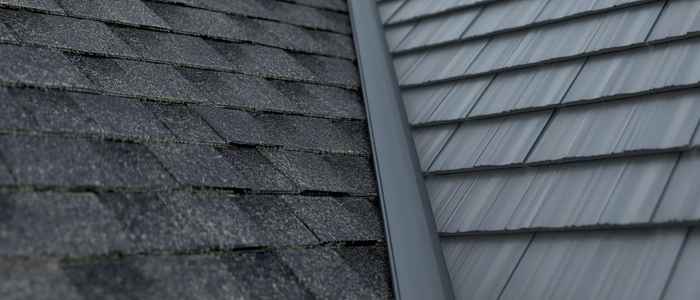
Understanding asphalt shingles vs metal roofing is critical for anyone planning a long-term investment in their home. Each option comes with unique benefits and drawbacks from lifespan and weather resistance to appearance and repair needs.
In this article, we’ll explore the performance, installation, and cost considerations of each roofing type, providing practical guidance and expert tips to help you make the most informed choice for your property. By the end, you’ll feel confident about the roof that’s right for you.
Why Choosing the Right Roof Material Matters
Selecting the right roof material is more than a cosmetic decision; it directly impacts your home’s longevity, energy efficiency, and overall value.
Asphalt shingles offer affordability and versatility, while metal roofing provides superior resistance to harsh weather and long-term durability.
Your material choice also determines maintenance frequency and potential repair costs. For example, neglected asphalt shingles may curl or lose granules faster under sun and wind exposure, whereas metal panels resist damage but can dent or corrode if poorly maintained.
Evaluating asphalt shingles vs metal roofing helps homeowners weigh these factors carefully, ensuring the roof protects the structure, enhances curb appeal, and aligns with your budget. A thoughtful selection now can prevent costly repairs later.
Key Signs Your Roof Material May Be Failing
- Curling, cracking, or missing shingles
- Rust, dents, or corrosion on metal panels
- Leaks or water damage inside the home
- Uneven roof surfaces or sagging
- Excess granule loss on asphalt shingles
- Noise or temperature fluctuations due to poor insulation
- Faded color or weathered appearance
If you notice any of these warning signs, it’s time to evaluate your roof material carefully. Recognizing these early can prevent minor issues from becoming major repairs, helping homeowners extend the life of either asphalt shingles or metal roofing.
Common Factors That Affect Roof Material Performance
| Factor | Impact on Asphalt vs Metal Roofing |
| Weather exposure (sun, hail, wind, rain) | Asphalt shingles may deteriorate faster; metal resists damage but can dent |
| Installation quality | Poor installation shortens lifespan for both roofing types |
| Maintenance frequency | Neglected roofs degrade more quickly, regardless of material |
| Structural or ventilation issues | Can reduce performance and require additional repairs |
Understanding these factors allows homeowners to make informed decisions about asphalt shingles vs metal roofing, ensuring the investment is durable and cost-effective.
Comparing Asphalt Shingles and Metal Roofing Options
Asphalt shingles typically last 20–30 years and provide a wide range of styles and colors, making them a popular choice for traditional homes.
They are cost-effective upfront but may require more frequent maintenance. Metal roofing, on the other hand, can last 40–70 years, withstand extreme weather, and offer energy efficiency benefits. While the initial cost is higher, the long-term durability often offsets the price difference.
Homeowners evaluating asphalt shingles vs metal roofing should consider aesthetics, style flexibility, and how the material aligns with their budget and long-term home plans.
Key takeaway: shingles are affordable and versatile, metal is durable and energy-efficient, and understanding these differences ensures a roof that meets both functional and aesthetic needs.
Step-by-Step Installation Process for Each Roofing Type
- Conduct an initial roof inspection and structural assessment.
- Choose materials based on durability, cost, and home style.
- Remove the existing roof if replacement is required.
- Prep the roof deck and verify proper ventilation.
- Install asphalt shingles or metal panels following manufacturer guidelines.
- Inspect installation quality and address any issues.
- Complete a final inspection, seal joints, and review warranties.
Proper installation is crucial for maximizing the lifespan and performance of either roofing type. Following these steps helps homeowners avoid common pitfalls and protects their investment in asphalt shingles vs metal roofing.
Benefits of Professional Installation for Asphalt and Metal Roofs
Hiring professionals ensures your roof is installed correctly, maximizing its durability and lifespan. Skilled contractors reduce the risk of leaks, warping, or corrosion that can occur with DIY projects.
Professionals also provide access to high-quality materials, proper tools, and expertise in handling both asphalt shingles and metal roofing.
Additionally, warranties on workmanship and materials give homeowners peace of mind, protecting them from unforeseen costs.
A professional installer can guide you through the decision-making process, explaining the advantages and drawbacks of each option and tailoring recommendations to your home’s specific needs.
Weather conditions vary dramatically, having an expert ensure proper installation can prevent expensive repairs and extend roof longevity.
Key takeaway: professional installation is an investment in reliability, efficiency, and peace of mind when choosing between asphalt shingles vs metal roofing.
DIY vs Professional Roofing: Material Matters
DIY Installation:
- Lower upfront cost but higher risk of mistakes
- Limited to minor repairs or maintenance
- No warranty or long-term guarantees
- May reduce material lifespan
Professional Services:
- Higher upfront cost
- Expert installation ensures durability and performance
- Accurate assessment of lifespan for each roofing type
- Access to manufacturer and labor warranties
While DIY may seem appealing, professionals bring knowledge, safety, and longevity benefits that are difficult to replicate. Homeowners considering asphalt shingles vs metal roofing should weigh the convenience and reliability of expert services against the cost savings of a DIY approach.
Factors That Influence Costs for Asphalt and Metal Roofs
| Factor | Cost Influence |
| Roof size and slope | Larger or steep roofs increase labor and material needs |
| Material type | Premium metals cost more upfront; asphalt shingles are less expensive |
| Labor intensity | Skilled work drives total cost higher |
| Removal of old roof | Adds disposal and preparation expenses |
| Weather and accessibility | Affects time, tools, and safety setup |
| Longevity and durability | Long-lasting materials may reduce long-term costs |
Considering these factors helps homeowners make smart budgeting decisions. While metal roofing may be costlier initially, its longevity and low maintenance often deliver better value over time. Understanding these cost influencers is essential when comparing asphalt shingles vs metal roofing.
Choosing a Contractor to Maximize Value and Longevity
Selecting the right contractor is crucial for protecting your investment. Verify licenses, insurance, and prior experience with both asphalt shingles and metal roofing.
Request detailed estimates that include material options, lifespan projections, and maintenance requirements.
Check for warranty coverage and inquire about preventive care services. Ensure the contractor is transparent in recommending solutions based on long-term value rather than the lowest bid.
Reputable contractors can provide tailored advice, helping you choose between asphalt shingles vs metal roofing with confidence.
Key takeaway: a trustworthy contractor ensures proper installation, protects your home, and maximizes roof lifespan, preventing costly mistakes down the road.
Preventive Care Tips to Extend the Life of Any Roof
- Schedule routine inspections to identify damage early
- Clean gutters and drains to prevent water buildup
- Repair minor leaks immediately to prevent spread
- Maintain proper ventilation and flashing
- Remove debris and prevent corrosion or granule loss
- Track all maintenance to support warranty claims
Consistent preventive care extends roof longevity, whether you choose asphalt shingles or metal roofing. These simple steps can save homeowners money on repairs and protect the home’s structural integrity.
FAQ
Is it cheaper to put on a metal roof?
No, a metal roof is usually not cheaper to install upfront. It typically costs more than asphalt shingles at first. However, metal roofs last much longer, require less maintenance, and can lower energy costs, making them more cost-effective over time.
Which roof handles hail better Asphalt Shingles or Metal Roofing?
Metal roofing generally handles hail better than asphalt shingles. Metal panels are impact-resistant and less likely to crack or break, while asphalt shingles can crack, lose granules, or tear under strong hail.
Although metal may dent, it usually maintains its protective performance, making it a more durable choice in hail-prone areas.
How much wind can asphalt shingles withstand?
Today, many modern asphalt shingles are rated for high-wind zones and can withstand gusts of up to 67 m/s (150 mph) when tested under standardized conditions.
This three-second gust rating reflects short bursts of extreme wind, and real-world performance still depends on proper installation, roof design, and ongoing maintenance.
What type of roof is best for high winds Asphalt Shingles or Metal Roofing?
Metal roofing is generally better for high winds than asphalt shingles. When properly installed, metal roofs can withstand winds of 120–160 mph or more, while asphalt shingles are more likely to lift, crack, or blow off during strong storms.
Although asphalt shingles cost less upfront, metal roofing offers greater durability, longer lifespan, and better protection in windy or storm-prone areas.
Conclusion
Choosing between asphalt shingles and metal roofing requires balancing cost, durability, and maintenance. Asphalt shingles are affordable, versatile, and visually appealing, making them ideal for homeowners seeking traditional aesthetics.
Metal roofing, while more expensive upfront, offers superior lifespan, weather resistance, and energy efficiency. Professional guidance ensures proper installation, maximizes roof performance, and protects your investment.
Preventive care further extends the life of any roof, reducing unexpected repairs and maintaining home value.
In the end, understanding the strengths and limitations of each material empowers homeowners to make decisions that suit both budget and lifestyle. your roof is a long-term investment choose wisely.
So, as you plan your next roofing upgrade, which roof will give you the perfect balance of beauty, durability, and peace of mind: classic asphalt shingles or long-lasting metal?