
The first time you noticed a small leak near your production floor, you probably told yourself it was nothing serious. A quick patch, a temporary fix, and back to business.
But months later, that same spot started showing rust, stains, and structural weakness.
As a facility manager or building owner, you know that small roofing issues can quietly turn into expensive shutdowns.
That’s why understanding maintenance tips for industrial metal roofs is not optional it’s a necessity for protecting safety, controlling costs, and preserving long-term performance.
This guide walks you through warning signs, common damage causes, material care, professional procedures, preventive strategies, and cost management.
By applying the right maintenance tips for industrial metal roofs, you gain control over your building’s future instead of reacting to emergencies.
Why Industrial Metal Roofs Require Regular Maintenance
Industrial metal roofs face challenges that standard commercial roofs rarely experience. Their large surface areas are constantly exposed to sun, wind, rain, and temperature swings.
Heavy equipment, ventilation systems, and foot traffic add more stress over time. Without regular care, small weaknesses can spread across panels and seams.
Routine inspections and timely repairs reduce the frequency of major breakdowns and prevent unexpected shutdowns.
Applying consistent maintenance tips for industrial metal roofs allows you to stabilize performance, protect insulation, and avoid premature replacement.
Regular maintenance is the most cost-effective way to extend roof lifespan and reduce operational risks.
Critical Signs of Damage on Industrial Roofing Systems
- Rust spots or corrosion forming on metal panels
- Loose or missing fasteners along seams
- Water leaks or pooling on flat sections
- Dents, punctures, or structural deformation
- Faded protective coating or peeling paint
- Excessive noise during heavy rain or storms
- Visible insulation or underlayment damage
These warning signs indicate weakening protection and moisture penetration. Ignoring them can lead to interior damage, safety hazards, and rising repair costs. Early detection prevents small defects from becoming structural failures.
Primary Causes of Industrial Metal Roof Deterioration
| Cause | How It Affects the Roof |
|---|---|
| Weather exposure (rain, hail, wind, heat) | Accelerates corrosion and material fatigue |
| Improper installation or low-quality materials | Leads to early wear and structural issues |
| Lack of routine maintenance | Minor issues escalate into major repairs |
| Ventilation or structural problems | Traps moisture and reduces roof lifespan |
Understanding these causes helps you apply targeted solutions instead of temporary fixes.
Choosing and Maintaining Metal Roofing
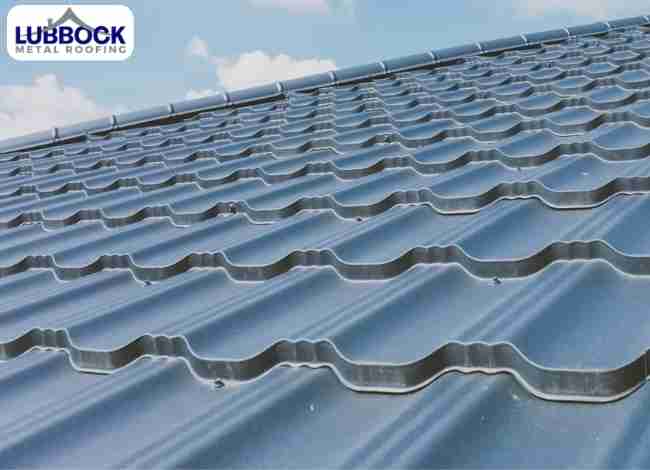
Industrial metal roofs are commonly built from galvanized steel, aluminum, or factory-coated panels. Galvanized steel resists rust but requires periodic coating renewal.
Aluminum resists corrosion but can dent more easily. Coated panels rely heavily on surface protection to remain effective.
Each material demands specific inspection routines and treatment methods. Protective coatings, sealant renewal, and rust inhibitors play a vital role in long-term durability. While regular upkeep involves upfront expenses, it significantly reduces replacement risks.
Following specialized maintenance tips for industrial metal roofs ensures each material performs as designed. Material-specific care maximizes structural reliability and return on investment.
Essential Maintenance Steps for Industrial Metal Roofing
- Conduct a full roof inspection, including fasteners and panels
- Identify areas of rust, corrosion, or structural damage
- Clean debris, leaves, and buildup from drains and gutters
- Repair or replace damaged panels or fasteners
- Apply protective coatings or sealants where necessary
- Inspect roof flashing, joints, and seams
- Document maintenance and schedule follow-up inspections
This structured process ensures no critical area is overlooked.
Advantages of Professional Industrial Roof Maintenance
Professional roof technicians are trained to identify early-stage problems that are invisible to untrained eyes. They use specialized tools to measure moisture levels, sealant performance, and panel movement.
Working at height on large industrial roofs carries serious safety risks, which professionals manage through certified equipment and protocols. Their expertise helps prevent improper repairs that can worsen damage.
Professional services also provide accountability, documentation, and warranty protection. Over time, this reduces unexpected expenses and extends roof lifespan.
By following expert-led maintenance tips for industrial metal roofs, you secure long-term stability and predictable budgeting.
Professional vs DIY Approaches to Industrial Roof Maintenance
DIY Maintenance
- Cost-saving on minor cleaning or inspections
- High risk of missing structural or hidden issues
- Safety risks on elevated or large-scale roofs
- Limited access to proper materials and coatings
Professional Maintenance
- Full inspection and early damage detection
- Safe handling of large or high roofs
- Expertise in metal-specific repair techniques
- Extended roof life and warranty coverage
DIY works for surface-level tasks, while professionals handle long-term protection.
What Drives the Cost of Maintaining Industrial Roofs
| Factor | Impact on Cost |
|---|---|
| Roof size and slope | Larger or complex roofs increase labor and materials |
| Material type | Different metals require different treatments |
| Frequency of maintenance | Regular care reduces emergency repair expenses |
| Labor and expertise | Skilled crews improve durability |
| Accessibility & safety requirements | Specialized equipment increases setup costs |
| Seasonal weather impact | Harsh conditions require more inspections |
Balanced planning helps you manage costs without sacrificing performance.
How to Select the Right Contractor for Industrial Metal Roof Maintenance
Start by verifying licenses, insurance coverage, and proven experience with industrial metal systems. Review references and examine past project portfolios.
Ask about maintenance programs, inspection schedules, and post-service support. Transparency in recommendations and cost estimates reflects professional integrity.
Avoid contractors who offer unusually low bids at the expense of safety or material quality. A reliable partner understands local conditions in areas and applies industry-standard practices. Choosing the right contractor protects your roof and your budget.
Preventive Maintenance Tips to Keep Industrial Metal Roofs Lasting Longer
- Schedule inspections at least twice a year and after storms
- Clear debris, gutters, and downspouts regularly
- Apply protective coatings or rust inhibitors when needed
- Tighten loose fasteners and repair panels promptly
- Monitor flashing, seams, and joints
- Maintain proper ventilation and insulation
Consistently applying these maintenance tips for industrial metal roofs reduces moisture buildup, structural fatigue, and surface deterioration. Prevention is the foundation of long-term roof performance.
FAQ
How do you tell if your industrial roof needs to be repaired?
You can tell your industrial roof needs repair if you notice water leaks, rust or corrosion on metal panels, loose or missing fasteners, cracks in membranes, sagging areas, or damaged flashing around vents and edges.
Rising energy bills and interior moisture stains can also signal roofing problems. Regular inspections help catch these issues early and prevent costly damage.
How to tell if a industrial roof is in good condition?
You can tell if an industrial roof is in good condition by checking for visible damage such as cracks, rust, loose panels, or worn seams. Make sure there are no water stains, leaks, or sagging areas inside the building.
Also, inspect drainage systems to ensure they are clear and working properly. Regular professional inspections and maintenance records are strong signs that the roof is being well cared for and performing as it should.
what is the safest way to clean an industrial metal roof
For special metal roof cleaning situations, such as removing mildew or mold, use a gentle cleaning solution made with 1/3 cup powdered laundry detergent, 1 quart of 5% bleach, and 3 quarts of water.
Apply the mixture with a soft brush or cloth, lightly scrub the affected areas, and rinse thoroughly with clean water.
Always avoid high-pressure washing and abrasive tools, as they can damage the roof’s protective coating. Follow proper safety procedures and use fall protection equipment, or hire trained professionals when necessary.
How to fix Industrial metal screws that keep coming loose?
Industrial metal roof screws often come loose due to vibration, temperature changes, and worn-out washers. To fix this, first remove the loose screw and inspect the hole. If it is enlarged, replace the screw with a slightly larger, self-drilling fastener.
Use screws with high-quality rubber washers and tighten them properly without overdriving. For added protection, apply a compatible roofing sealant around the fastener. Regular inspections and timely replacements help prevent future loosening.
Conclusion
Your industrial roof is more than a protective layer it is a critical asset that supports safety, productivity, and operational continuity.
By following proven maintenance tips for industrial metal roofs, you reduce unexpected repairs, extend service life, and improve long-term budgeting.
Routine inspections, material-specific care, and professional oversight create a strong defense against weather, corrosion, and structural stress.
Preventive planning keeps minor issues from disrupting operations and protects your investment for years to come.
Whether managing facilities or beyond, proactive maintenance ensures stability and confidence. When was the last time you truly evaluated your roof’s condition and what might it be telling you today?