
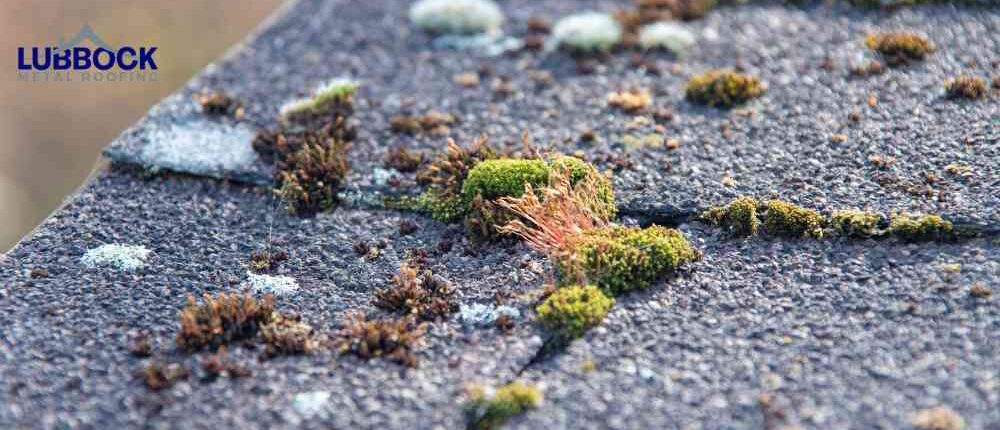
Under a clear, starry night, you glance up at your roof and notice something unsettling tiny green patches creeping along your shingles like a soft carpet of moss.
At first, it seems harmless, almost charming, but left unchecked, this moss can trap water, promote decay, and even lead to costly leaks.
Understanding how to remove moss from roof is crucial for homeowners who want to protect their property and extend the life of their roof. Moss doesn’t just affect aesthetics; it can weaken shingles, compromise insulation, and create an environment for mold growth.
In this guide, we’ll walk you through why moss grows, the warning signs to watch for, safe DIY methods versus professional removal, and practical preventative tips.
By the end, you’ll have a clear roadmap to maintain a healthy roof, prevent damage, and enjoy peace of mind knowing your home is well-protected.
Why Moss Grows on Roofs and Why It’s a Problem
Moss thrives in damp, shaded areas, which makes roofs under overhanging trees or in regions with heavy rainfall, prime targets.
Leaves and debris can trap moisture, creating the perfect environment for moss spores to settle and spread. Once established, moss lifts shingles, allowing water to seep underneath and causing rot or structural damage.
This buildup can reduce the lifespan of your roof, increase repair costs, and even affect energy efficiency by retaining excess moisture. Knowing how to remove moss from roof and prevent it is essential for maintaining the integrity of your home.
Regular inspections and timely action help homeowners protect their investment, preserve curb appeal, and avoid bigger headaches in the long run.
Early Warning Signs of Moss Infestation on Your Roof
Watch for these indicators to catch moss growth early:
- Green patches or streaks on shingles
- Roof surface feels soft or spongy
- Water pooling in certain areas
- Shingle edges lifting or curling
- Black streaks or discoloration from algae or moss spores
- Debris accumulation in valleys or gutters
- Noticeable odor or moisture in the attic
Early detection is key to preventing extensive damage. By spotting these signs, homeowners can act promptly, reducing repair costs and ensuring their roof remains durable and attractive.
Learning how to remove moss from roof safely helps address problems before they escalate, maintaining both structural integrity and peace of mind.
Main Factors That Encourage Roof Moss Growth
| Factor | How It Contributes to Moss Growth |
|---|---|
| Shade from trees | Reduces sunlight, keeping roof damp |
| Moist climate or heavy rainfall | Promotes moss and algae proliferation |
| Poor roof drainage | Traps water and debris |
| Aging or damaged shingles | Easier for moss to attach and grow |
Understanding these factors allows homeowners to target the root causes of moss, rather than just treating symptoms. Combining environmental awareness with proper removal methods is essential for a long-lasting, moss-free roof.
Types of Roofing Materials and Moss Removal Considerations
Roofing materials play a big role in how moss removal is handled. Asphalt shingles are common and delicate, requiring gentle brushing and safe solutions. Metal roofs are more durable but need careful cleaning to avoid scratches or corrosion.
Tile and slate roofs require precision to prevent breakage, while cedar shakes are highly sensitive and can deteriorate if aggressive chemicals are used.
Knowing how to remove moss from the roof safely means adjusting techniques for each material type. Using soft brushes, low-pressure water, and proper moss inhibitors prevents damage while effectively clearing growth.
Homeowners should also consider roof slope, age, and exposure to moisture when planning maintenance to ensure both safety and effectiveness.
Step-by-Step Guide to Removing Moss from Roof
- Inspect the roof for moss coverage and damage.
- Clear loose debris from shingles and gutters.
- Apply moss removal solution choose chemical or natural formulas.
- Scrub gently with a soft brush or broom to lift moss.
- Rinse thoroughly using low-pressure water.
- Treat problem areas with preventive moss inhibitors.
- Inspect the roof again and repeat treatment if necessary.
Following these steps ensures moss is removed effectively without harming roofing materials. Regular attention reduces the risk of regrowth and prolongs roof lifespan.
Benefits of Professional Roof Moss Removal Services
Professional roof moss removal services offer significant advantages. Trained experts can safely work on high or steep roofs, reducing the risk of personal injury.
They use industry-approved chemicals and techniques that effectively remove moss without damaging shingles, metal, tile, or cedar shakes. Beyond immediate cleaning, professionals prevent mold, rot, and long-term decay that can compromise structural integrity.
They also provide guidance on ongoing maintenance, helping homeowners schedule inspections and preventive treatments. Seasonal moisture can encourage moss growth, professional services ensure that removal is thorough and sustainable.
While DIY methods may work for small areas, hiring professionals delivers consistent, safe, and longer-lasting results. Ultimately, professional care protects both your home and your peace of mind, letting you enjoy a clean, healthy roof without the hazards and hassle of a solo effort.
DIY Moss Removal vs Hiring Professionals
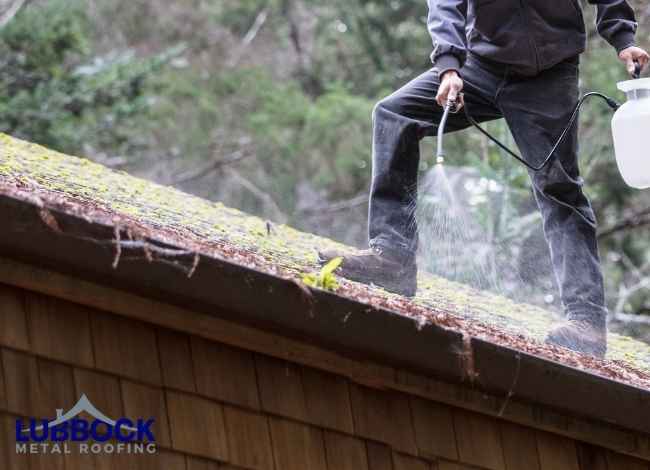
DIY Removal:
- Cost-effective for small areas
- Requires proper safety gear and tools
- Risk of roof damage if done incorrectly
- Labor-intensive and time-consuming
Professional Services:
- Fast, safe, and effective
- Uses proper chemicals and ensures correct disposal
- Reduces risk of injury or roof damage
- Offers longer-lasting results with preventive treatments
Choosing between DIY and professionals depends on roof size, slope, and personal safety comfort. For many homeowners, professional assistance offers peace of mind, while DIY may suit minor infestations when approached cautiously.
What Determines the Cost of Moss Treatment Services
| Factor | How It Affects Cost |
|---|---|
| Roof size and slope | Larger or steeper roofs require more labor |
| Roof material | Fragile shingles or tiles need extra care |
| Moss severity | Heavy infestations take longer to remove |
| Accessibility | High or awkward roofs may require scaffolding or lifts |
| Treatment type | Chemical vs natural solutions influence expenses |
| Labor vs DIY | Professional labor adds upfront cost but ensures safety |
Understanding these factors helps homeowners budget effectively while making informed decisions about moss removal strategies.
Long-Term Solutions to Stop Moss Regrowth
- Trim overhanging branches to let sunlight reach the roof.
- Clean gutters and roof valleys to prevent water buildup.
- Apply moss inhibitors or zinc/copper strips to slow growth.
- Ensure proper roof drainage and ventilation to reduce moisture retention.
- Remove debris promptly, such as leaves and sticks, after storms.
- Schedule periodic roof inspections to catch moss early.
Consistently applying these strategies protects your roof, preserves its lifespan, and keeps it looking its best. Combined with knowledge of how to remove moss from roof, preventive measures minimize future maintenance and costly repairs.
FAQ
Is it bad to have moss on your roof?
Yes, having moss on your roof is a problem. Moss holds moisture against the roofing surface, which can weaken shingles, cause premature aging, and increase the risk of leaks.
Over time, it can also lift shingles and allow water to seep underneath, leading to structural damage. Regular cleaning and maintenance help prevent moss from causing long-term issues.
Does moss on a roof mean it needs to be replaced?
No, moss on a roof does not automatically mean it needs to be replaced. Moss usually indicates moisture buildup and poor drainage, which can shorten a roof’s lifespan if left untreated.
While light moss growth can often be removed with proper cleaning and maintenance, heavy or long-term growth may signal underlying damage. A professional inspection can help determine whether cleaning, repairs, or replacement is needed.
What kills moss permanently naturally?
Moss can be killed naturally and effectively by using white vinegar, baking soda, or a diluted salt solution. These substances dry out and break down moss at the root level. For best long-term results, combine treatment with proper sunlight exposure, improved drainage, and regular roof cleaning to prevent regrowth.
What is the best time to remove moss from a roof?
Summer is the best time to remove moss from your roof because dry, warm weather allows treatments to work more effectively and makes the surface safer to maintain. Moss damages shingles by trapping moisture, causing discoloration, and forming thick mats that prevent proper water drainage.
Over time, this reduces your roof’s ability to shed water and increases the risk of leaks. In addition, many shingle manufacturers may void their warranty if moss or other vegetation is found growing on the roof, making timely removal especially important.
Conclusion
Knowing how to remove moss from the roof is essential for every homeowner who wants to maintain a safe, attractive, and long-lasting roof. Moss thrives in shade, moisture, and debris, gradually damaging shingles, lifting edges, and creating conditions for rot and mold.
By understanding the causes, identifying early warning signs, and following safe removal methods, DIY or professional homeowners can effectively protect their investment.
Preventive tips like trimming trees, cleaning gutters, and applying moss inhibitors ensure your roof remains resilient. Professional services offer additional safety and expertise, particularly for larger or difficult-to-reach roofs.
Regular attention not only extends roof life but also enhances curb appeal and peace of mind. A moss-free roof means a healthier home and fewer costly surprises.